
HubSpot vs Salesforce 2026: The Wrong Fight for a SaaS Founder
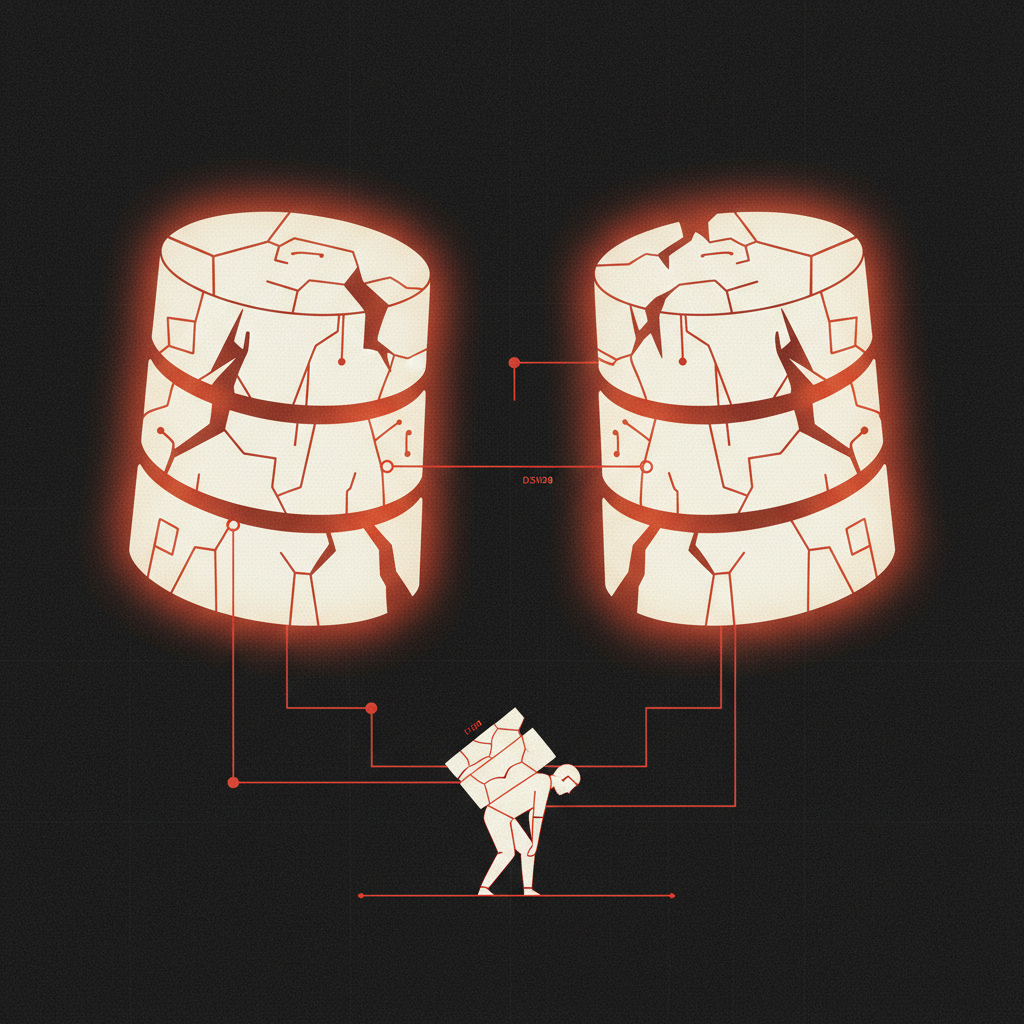
You are not choosing a CRM. You are choosing how many marketers you have to hire to feed it. HubSpot wins for SMB speed and bundled marketing under about 500 employees. Salesforce wins for enterprise customization and complex sales motions. That is the answer most comparison pages stop at, and it is the wrong place to stop.
Here is what the pricing tables hide. Both HubSpot and Salesforce are systems of record. A database of contacts, deals, and emails. Neither one writes your campaigns, builds your funnel, or runs your marketing. A human does that. So the line item that actually decides your spend is not the seat fee. It is the headcount you hire to operate the thing. This is a founder teardown of the real 3-year cost, and where the money really goes.
Key Takeaways
- HubSpot lists at $150 per seat for Enterprise. Salesforce Enterprise lists at $165, and Unlimited runs near $330. The seat fee is the smallest line item on the bill.
- Over three years at 50 seats, Salesforce can run 3.4x the cost of HubSpot once admin and services are added.
- Onboarding starts at $3,000 to $7,000 on HubSpot and climbs far higher on Salesforce, where services average 3x to 5x the annual license.
- A certified Salesforce admin averages $103,000 per year in 2026. HubSpot is often run by an existing team member earning $43,000 to $55,000.
- Breeze and Agentforce both shipped AI agents in 2026, but both still need a human to set strategy, write the brief, and approve the output.
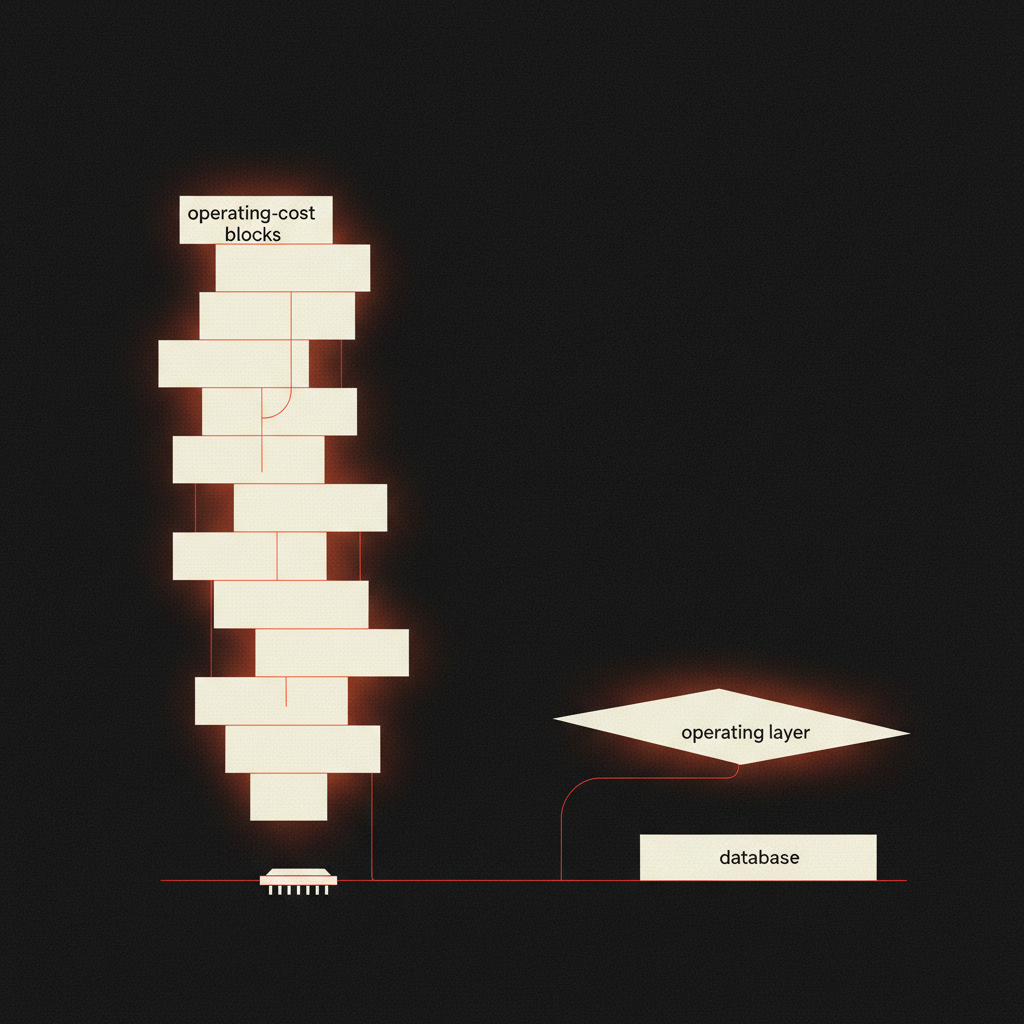
- The CRM you pick is a system of record. An AI CMO is the operating layer that runs the marketing on top of whichever database you keep.
HubSpot vs Salesforce at a Glance (2026)
HubSpot is the growth-company CRM. Salesforce is the enterprise CRM. The split lands around 500 employees. Below that line, HubSpot's bundled, out-of-the-box design usually wins on total cost. Above it, with complex sales structures and heavy customization needs, Salesforce earns its premium.

Here is the verdict at a glance.
| Factor | HubSpot | Salesforce |
|---|---|---|
| Best for | SMB and growth-stage SaaS | Enterprise, complex sales |
| Setup speed | Days to weeks | Weeks to months |
| Customization | Moderate, guardrailed | Deep, near-unlimited |
| Marketing | Bundled in Marketing Hub | Split across Marketing Cloud and Pardot |
| Admin need | Existing staff often suffices | Dedicated admin expected |
| Sweet spot | Under 500 employees | Over 500 employees |
Salesforce held roughly a fifth of the global CRM market in 2025, the largest single share. HubSpot grew fastest among SMB and mid-market buyers. Both are mature, both are safe, and both will store your data reliably. The choice between them is real, but it is a choice about fit and friction, not about who markets for you. Neither does. That work still falls to your team or to an AI CMO platform that sits on top of the database you pick.
Pricing and 3-Year TCO
Seat fees are the part founders fixate on and the part that matters least. HubSpot Starter runs $15 per seat per month, Professional $100, and Enterprise $150. Salesforce Starter Suite is $25 per user, Enterprise $165, and Unlimited near $330. At list price for a 25-person team, HubSpot Professional lands near $38,000 per year against roughly $49,500 for a comparable Salesforce setup.

Now add the parts the sticker hides. Implementation, onboarding, a dedicated admin, and premium support push Salesforce's real cost 30 to 40 percent above its list. On a $30,000 annual license, HubSpot implementation runs $45,000 to $60,000 in services. The same license on Salesforce runs $90,000 to $150,000 before admin and integration. Onboarding alone starts at $3,000 to $7,000 on HubSpot and scales fast on Salesforce.
Stack three years of that and the gap widens hard. For a 50-user deployment over three years, Salesforce can cost 3.4x what HubSpot costs at the Professional tier. One mid-market modeling exercise put a 25-user HubSpot TCO near 123,000 euros against 375,000 euros for Salesforce. See the full breakdown of HubSpot Marketing Hub real pricing for the marketing-side detail. The headline holds: the database is cheap, the operation is not.
Marketing Automation: Marketing Hub vs Marketing Cloud and Pardot
HubSpot bundles marketing into one product. Salesforce splits it into two. That single design difference drives a large share of the cost and complexity gap between the platforms.

With HubSpot, Marketing Hub lives inside the same CRM as sales and service. Email, landing pages, forms, workflows, and reporting share one contact record and one interface. A growth team can launch a nurture sequence the week they sign. The tradeoff is ceiling. HubSpot's automation is broad and fast, but it guards you inside its model rather than letting you rebuild it.
Salesforce hands marketing to Marketing Cloud for enterprise messaging and to Pardot, now Account Engagement, for B2B lead nurture. Both are powerful. Both sit outside the core Sales Cloud and connect through integration that someone has to build and maintain. You get near-unlimited control and a second system to learn, license, and staff. For a lean SaaS team, that split is often the moment the project needs a consultant. The power is real. So is the drag. Neither platform removes the need for a person to decide what the campaign says and when it fires.
AI Features: Breeze vs Agentforce
Both vendors shipped serious AI agents by early 2026. HubSpot's Breeze and Salesforce's Agentforce are the headline features in every sales deck. Neither one replaces a marketer. Both assist one.

Breeze is a suite of embedded agents that handle prospecting, content drafting, and customer support inside HubSpot's Smart CRM. As of 2026, three Breeze agents are generally available: Customer Agent, Prospecting Agent, and Data Agent, with more in beta. Breeze Assistant is free, and the agents are included for paid subscribers with minimal setup. That is the HubSpot pattern. Fast, bundled, good enough.
Agentforce is the more powerful platform. It runs autonomous, multi-step workflows across Sales, Service, and Marketing clouds, grounded in Data Cloud. In enterprise deployments it has resolved 66 percent of customer inquiries on its own. It also adds $50 to $125 per user per month on top of an already premium price, and it needs configuration to unlock. The honest read for 2026: both tools answer tickets and draft copy well. Neither sets your positioning, picks your offer, or owns your number. A human still writes the brief, approves the output, and carries the result. The AI is a hand, not a head.
Implementation and Admin Overhead
The hidden headcount is the real story. A CRM does not run itself, and the bigger the platform, the bigger the person you need behind it.
Salesforce effectively requires a dedicated administrator. In 2026 a certified Salesforce admin averages $103,000 per year. That is a full salary line whose only job is keeping the system configured, clean, and current. HubSpot, by contrast, is often run by an existing team member, and a dedicated HubSpot admin runs $43,000 to $55,000 when you hire one at all. Same function, less than half the cost, because the platform asks less of the operator.
Services compound it. HubSpot implementation typically runs 1.5x to 2x the annual license. Salesforce runs 3x to 5x. Then years two and three carry a retainer with a partner agency for optimization, often $15,000 to $40,000 a year. Add it up and the staffing and services around the CRM dwarf the software itself. You did not buy a tool. You staffed a department. That is the cost no comparison table prices, and it is the cost an operating layer is built to collapse.
The Real Cost Is the Team You Hire to Run It
Stop comparing seat fees. Compare operating costs. When you tally three years of license, onboarding, admin headcount, and agency retainer, the CRM line is a rounding error against the labor. Here is the real math for a lean SaaS team.
| Cost component | HubSpot | Salesforce | AI CMO |
|---|---|---|---|
| License and seats (3 yr, ~10 seats) | ~$54,000 | ~$59,000 | Runs on your existing CRM |
| Onboarding | $3,000 to $7,000 | $90,000 to $150,000 | Days, no migration |
| Admin headcount (3 yr) | $129,000 to $165,000 | ~$309,000 | None required |
| Agency or operator (3 yr) | $45,000 to $120,000 | $45,000 to $120,000 | Included in platform |
| Marketing execution | Your team | Your team | Run by the AI CMO |
| 3-year total operating cost | $231,000+ | $503,000+ | Fraction of either |
Read the bottom row. The license never moved the number. The team did. Both HubSpot and Salesforce are excellent systems of record, and you should keep whichever one fits. What you should question is the assumption that running marketing on top of it requires hiring and managing a department. An AI CMO is the operating layer that plans campaigns, writes the content, executes the funnel, and reports the result, on top of the database you already keep. The same AI marketing agents that Breeze and Agentforce hint at, built to run the whole motion, not just answer a ticket. Explore the AI marketing agents that make the headcount line optional.
Frequently Asked Questions
Is HubSpot or Salesforce better for a startup?
For most startups and growth-stage SaaS companies, HubSpot is the better fit. It deploys in days, bundles marketing, sales, and service in one interface, and rarely needs a dedicated admin under about 500 employees. Salesforce is the better choice when you have complex, custom sales processes that justify a heavier build and a full-time administrator. The deciding factor is rarely features. It is how much implementation and staffing you can absorb in your first three years.
Is Salesforce more expensive than HubSpot?
Yes, often dramatically so. Seat fees are close, with Salesforce Enterprise at $165 against HubSpot's $150. The gap opens on everything else. For a 50-user, three-year deployment, Salesforce can run 3.4x the cost of HubSpot once you add implementation, a $103,000-per-year admin, premium support, and AI add-ons. Salesforce's real cost typically lands 30 to 40 percent above its list price. HubSpot's total cost of ownership usually wins under 500 employees.
Which is easier to use?
HubSpot, by design. It was built to be used by the team that owns it, with a clean interface, guided setup, and automation you can configure without a specialist. Salesforce trades ease for control. It can model nearly any process, but that flexibility means more screens, more configuration, and a steeper learning curve. Most teams need a certified admin or consultant to keep Salesforce running well. HubSpot's ceiling is lower, but more people can reach it without help.
Do I need an admin for either?
Salesforce effectively requires one. A certified Salesforce administrator averages $103,000 per year in 2026, and the platform's complexity makes that role hard to skip at any real scale. HubSpot is far more forgiving. Many teams run it with an existing marketing or operations hire, and a dedicated HubSpot admin, when you hire one, costs $43,000 to $55,000. The admin line is one of the largest hidden costs in any CRM decision, and it favors HubSpot heavily.
Which has better marketing tools?
It depends on what better means. HubSpot bundles Marketing Hub into the same CRM as sales and service, so a lean team can launch campaigns fast with one contact record. Salesforce splits marketing across Marketing Cloud and Pardot, now Account Engagement, which offers deeper enterprise power at the cost of more complexity, integration, and staffing. HubSpot is better for speed and simplicity. Salesforce is better for scale and customization. Neither one actually runs the marketing for you.
What runs the marketing on top of either, an AI CMO?
The CRM is a database. It stores contacts, deals, and history, but it does not plan a campaign, write the content, or own the funnel. That is what an AI CMO does. It sits on top of HubSpot or Salesforce as the operating layer, setting strategy, executing the work, and reporting the outcome, without the dedicated admin and agency retainer a traditional team demands. You keep your system of record and replace the headcount that feeds it.
The CRM Is Not the Decision
HubSpot or Salesforce is a real choice, and a small one. Pick HubSpot for speed and bundled marketing under 500 employees. Pick Salesforce when deep customization earns its premium. Either way you are buying a system of record, a place to store the work, not a thing that does the work. The expensive part starts after you sign: the admin, the agency, the headcount you hire to feed the database month after month. That is where 3-year cost quietly triples, and that is the line no comparison table puts in front of you.
So fight the right battle. The question is not HubSpot versus Salesforce. It is whether running marketing on top of your CRM should cost a department or a fraction of one. Book a call with us to see how an AI CMO runs the marketing on top of your CRM: https://calendly.com/joon-getaitopia/30min
Ready to Automate Your Business?
Book a 30-minute call to discuss how AI can transform your Marketing, Sales, or Operations.
Book a Call