
The AI Mascot Playbook: Turn Your Customers' Objections Into Villains
A mascot is your brand as the hero. Your customers' objections are the villains. Every episode, the hero beats one.
We made a 20-second ad where a creatine crystal fights four myths about creatine. No actors, no camera, no studio. This page shows how it works and how to build the same thing for your business.
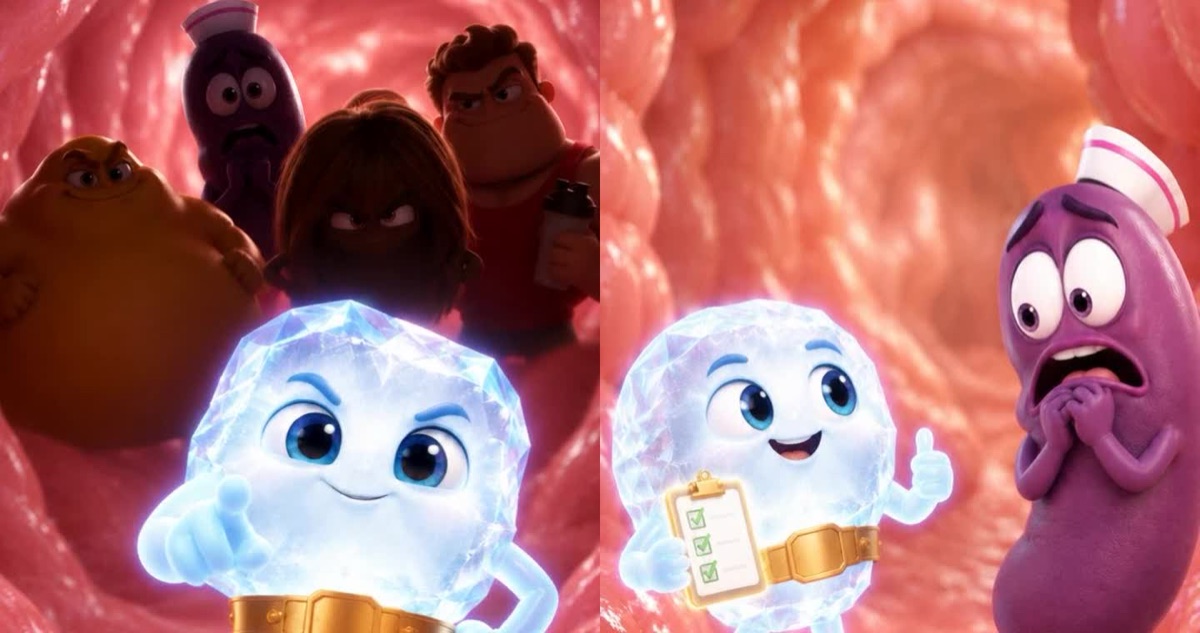
The hero, his villains, and one myth getting answered: frames from our creatine myth-buster ad, made with AI.
Mascot or character?
They do different jobs.
- An AI character is a made-up person who lives your customer's problem. People watch because they see themselves. See The AI Character Brief.
- An AI mascot is your product, your service or your brand as a hero. It doesn't have the problem. It fixes it. People watch because they want to see the bad guy lose.
Use a mascot when your buyers already want the result but something stops them: a myth, a fear, an excuse.
How the creatine ad works
- The hero introduces himself and calls out the problem: "You've been lied to about me."
- A villain shows up for each myth. Puffy says creatine makes you bloated. A kidney panics about damage. A bearded guy says it makes you bald.
- The hero answers each one in one line, then moves on.
- The payoff is one action the viewer can take today.
Each villain looks like the myth. You know what it stands for before it speaks. That's what makes the video easy to follow with the sound off.
Step 1: List the objections
Your villains already exist. They are the things customers say right before they don't buy. Paste this into Claude:
I sell [your offer] to [your customer]. List the 10 objections, myths and excuses customers give before they buy, in their own words. For each one, write the one-sentence true answer. Rank them by how often they come up.
Keep the ones where you can answer with a fact you can stand behind. That's your first season.
Step 2: Design the hero
Describe your mascot like a casting note. Keep it simple enough to draw in a few lines.
- What it is: your product, the thing you fix, or a symbol of the result. A tooth, a key, a dumbbell, a shield, a crystal.
- One signature detail: the creatine hero wears a gold belt. Pick one thing that never changes.
- Personality: confident and a little cheeky. It knows the myth is wrong and isn't worried.
- Voice: one voice, the same every episode.
Then build a reference sheet (front, side, back, a few expressions) and reuse it for every image and clip. The method is in The AI Character Reference System.
Step 3: Turn each objection into a villain
A villain is an objection with a face. Design it so the look says the myth.
| Objection | Villain idea |
|---|---|
| "It's going to hurt." (dentist) | A tool tray that rattles and growls |
| "I'll start Monday." (gym) | A sleepy calendar stuck on Monday |
| "Now's a bad time to buy." (realtor) | A storm cloud that only rains on open houses |
| "It's too expensive." (any service) | A giant price tag that hides the real cost of waiting |
| "I can do it myself." (agency, accountant) | A tangle of tabs and sticky notes |
Make villains a little ridiculous, never mean. The joke is on the myth, not on the customer who believed it.
Step 4: Write a 20-second episode
| Time | Beat | Example |
|---|---|---|
| 0-2s | The hero calls out the lie | "You've been lied to about me." |
| 2-6s | The villain says the myth | "It's going to hurt." |
| 6-14s | The hero answers with one true fact | One line, no jargon |
| 14-20s | Payoff and one action | "Book the gentle first visit." |
You can do one villain per episode or line up three in one video like the creatine ad. One per episode gives you a weekly series from one list.
Script prompt:
Write a 20-second script for my brand mascot [describe hero] beating this objection: [objection]. The villain is [describe villain]. Structure: hero calls out the lie (under 8 words), villain says the objection, hero answers with this fact: [your fact], one-line payoff with this action: [action]. Short lines, spoken out loud. No claims I can't prove.
Step 5: Make it
This is the stack we used for the creatine ad:
- Frames: an image model makes one still per scene from the reference sheets. Same hero, same villains, every frame.
- Motion: an image-to-video model animates each still into a 4 to 6 second clip.
- Voice: one AI voice for the hero, recorded from the script, added in the edit.
- Edit: cut to the voice, big one-word captions, one music bed.
Check every clip before you make the next one. AI video still adds extra fingers, changes faces and repeats lines. Fixing one clip is cheap. Fixing ten is not.
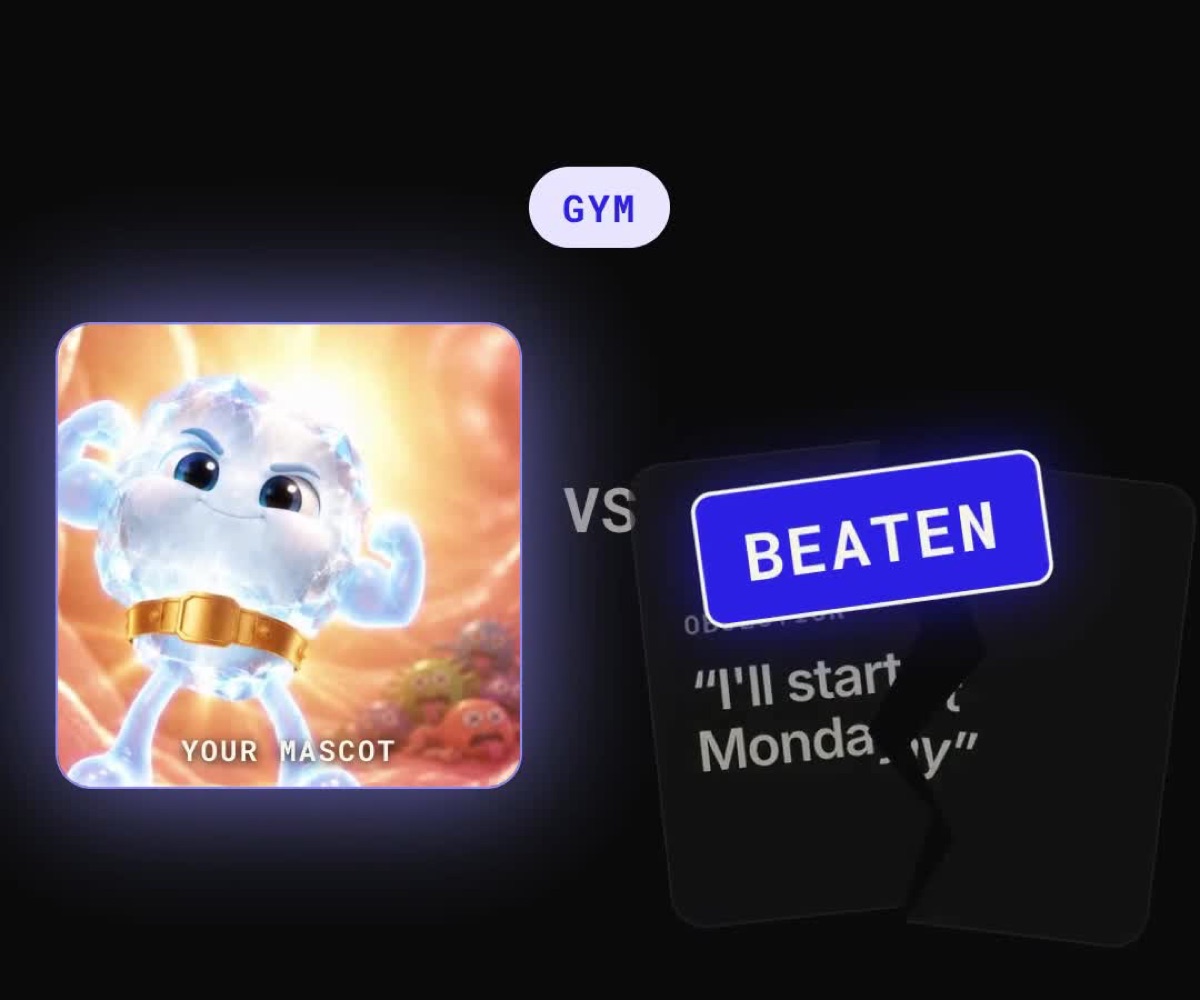
Same hero, any business: swap creatine for your product and your objections.
Rules that keep it safe
- Every answer has to be true. A myth-buster that gets a fact wrong is worse than no video. Keep the source for every claim.
- Regulated industries: health, dental, legal and financial services often have advertising rules. Check before you post.
- Say it's AI. Use the platform's AI-content label.
- Villains are objections, not people. Never a competitor, a real person or a customer.
- No borrowed characters. Don't base your mascot on an existing brand's character or a cartoon you didn't make.
What a mascot can't do
A mascot earns attention and answers objections at scale. It doesn't build trust on its own. Somewhere between the video and the purchase, a real person should show up: the founder, the dentist, the agent. If you don't have time to film that every week, a founder AI clone can do it from scripts you approve. See How Businesses Use AI Avatars to Scale Content.
Questions
Do I need to know animation?
No. You need the brief (hero, villains, objections) and the patience to check each clip. The tools do the drawing.
How many episodes should I plan?
Start with the five objections you hear most. That's five episodes and a clear test: do people comment "I believed that"?
Can a mascot work for a service business?
Yes. Make the hero the result you deliver (a bright smile, a set of keys, a calm inbox) instead of a physical product.
Mascot, character or founder clone: which first?
If your buyers have one big objection, start with a mascot. If they need to feel seen, start with a character. If they need to trust you, start with your clone. Most businesses end up using two.
Want this set up for your business?
We turn these workflows into working marketing and sales systems.